ABOUT US
AND WHERE IT ALL STARTED
Our origins
Foundation and Driving Force
OUR ROOTS
Our foundation is deep-rooted in the field of cultured meat, where we lead as system integrators. Here’s where our story begins.
Willem van Eelen, often revered as the "Godfather of Cultivated Meat," laid the foundational work for cultured meat. Born in the early 1920s in the Dutch East Indies, his experiences as a prisoner of war, suffering from severe malnutrition, ignited a lifelong quest to create sustainable and ethical food solutions.
Driven by a vision to alleviate hunger and reduce the environmental impact of traditional meat production, van Eelen pioneered the idea of cultivating meat outside of an animal in the 1950s. His vision was that livestock farmers would cultivate meat instead of making livestock ready for slaughter. Despite facing skepticism, he persisted and in 1999, filed his first patent for muscle tissue production, paving the way for the field of cellular agriculture. His work inspired a new generation of scientists and entrepreneurs dedicated to making his vision a reality.
Carrying forward his legacy, his daughter, Ira van Eelen, alongside Florentine Zieglowski, Ralf Becks, and Ruud Zanders, founded RESPECTfarms. They are committed to producing cultured meat in viable way. Our organization honors Willem van Eelen’s pioneering spirit. We're not just watching the world change, we’re rolling up our sleeves.
CALL FOR CHANGE
The protein transition is gaining importance due to various environmental, ethical, and health-related concerns associated with conventional meat production. As the global population continues to grow, projected to reach nearly 10 billion by 2050, the demand for protein also increases. Traditionally, this demand has been met primarily through livestock agriculture, but this method is becoming unsustainable and ethically problematic for several reasons
Environmental Impact
Livestock farming is one of the largest contributors to environmental issues, including deforestation, water scarcity, and loss of biodiversity. It is also a significant source of greenhouse gases, such as methane and nitrous oxide, which are potent contributors to climate change.
Resource Efficiency
Animals are relatively inefficient converters of feed into edible protein. Much of the energy in feed is lost to metabolism or to produce non-edible parts. Cultivated meat can provide the same nutritional benefits with a fraction of the input resources required by traditional livestock farming.
Ethical and Welfare Concerns
Industrial animal farming often raises significant animal welfare concerns due to the conditions in which many animals are raised.
Food Security
Diversifying protein sources can help stabilize food supplies and make them more resilient to shocks such as droughts, pandemics, or economic instability that can disrupt traditional agricultural practices.
Innovation and Economic Opportunities
Developing and commercializing alternative protein sources, including cultivated meat, opens new avenues for innovation and economic growth. It can lead to the creation of new industries and job opportunities, especially in biotechnology and manufacturing sectors.
Why the Shift Is Crucial Now
The urgency of the protein transition is underscored by the accelerating impacts of climate change and the increasing strain on natural resources. By adopting more sustainable protein sources, we can mitigate environmental damage, improve global health, enhance animal welfare, and create a more equitable food system.
WHAT WE STAND FOR
We believe in the power of partnerships and community engagement to drive change. By collaborating with farmers, researchers, governments and local communities, we aim to create shared value and foster innovation.
We are committed to pioneering in the cultured meat universe as system integrators, constantly seeking new ways to improve efficiency, quality and collaboration.
We are dedicated to a viable business model that can quickly adapt to new opportunities, ensuring long-term sustainability and resilience.
We prioritize sustainability, striving for production methods that use fewer natural resources.
OUR KEY BENEFITS
Our commitment to local production is about pushing the boundaries of what's possible in food production, and about nurturing communities.
Easier
In the world of cultured meat, it is technically indescribably easier to work with small units than with a large reactor. this enables us to get started sooner.
Modular Expansion
Modular units allow us to scale our operations flexibly, managing financial risks and accommodating technological advancements without overwhelming Capex.
Enhanced Learning Opportunities
Our hands-on approach accelerates learning and continuous process improvement through direct feedback loops.
Local Development
We generate diverse employment opportunities stimulating local economic growth, particularly in rural or developing areas. We integrate with local supply chains, and boosting the local economy.
Consumer Trust
By embedding our production facilities within local communities, we enhance transparency and foster a deeper connection with consumers and building trust.
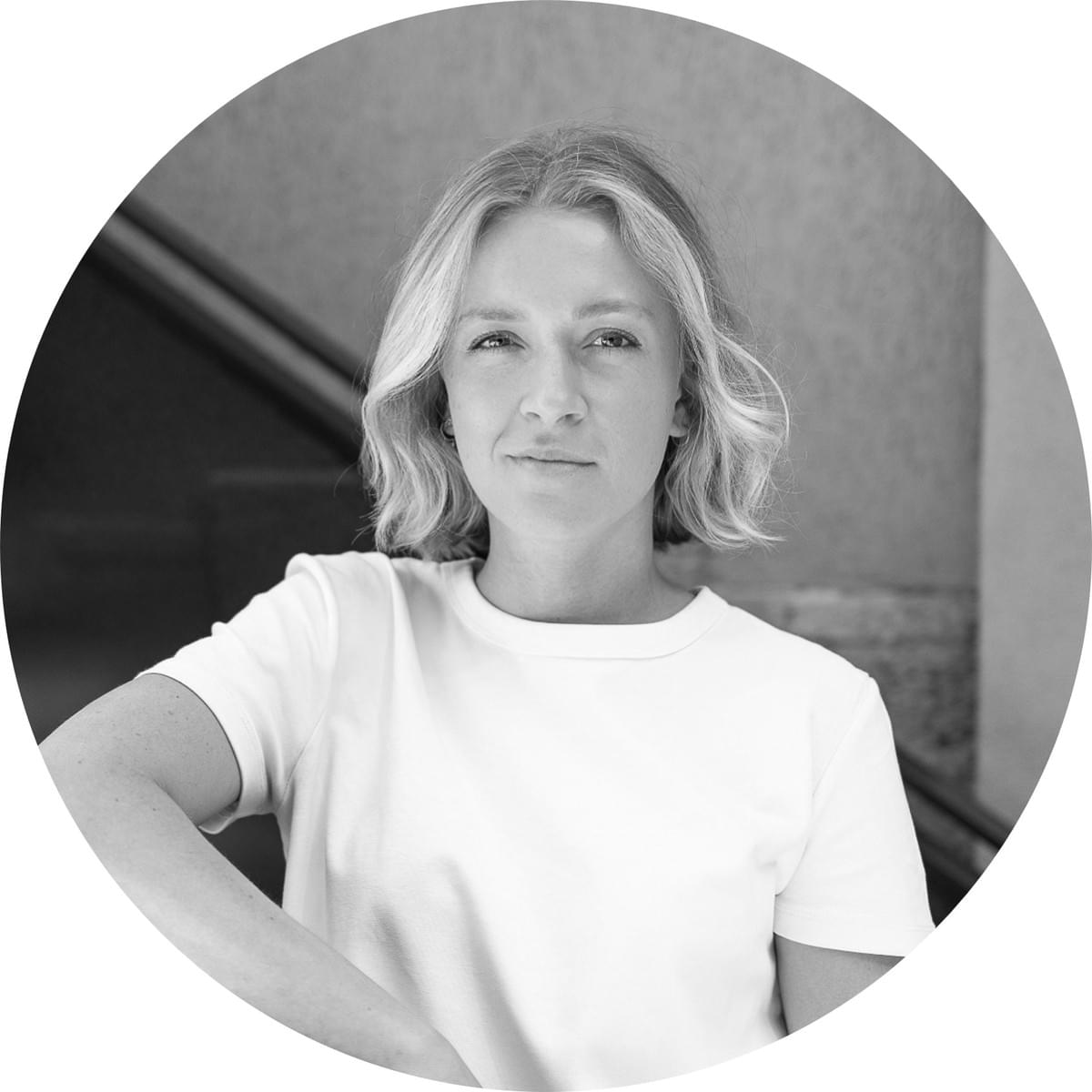
Meet the team

CO-FOUNDER & DIRECTOR
COMMUNICATIONS
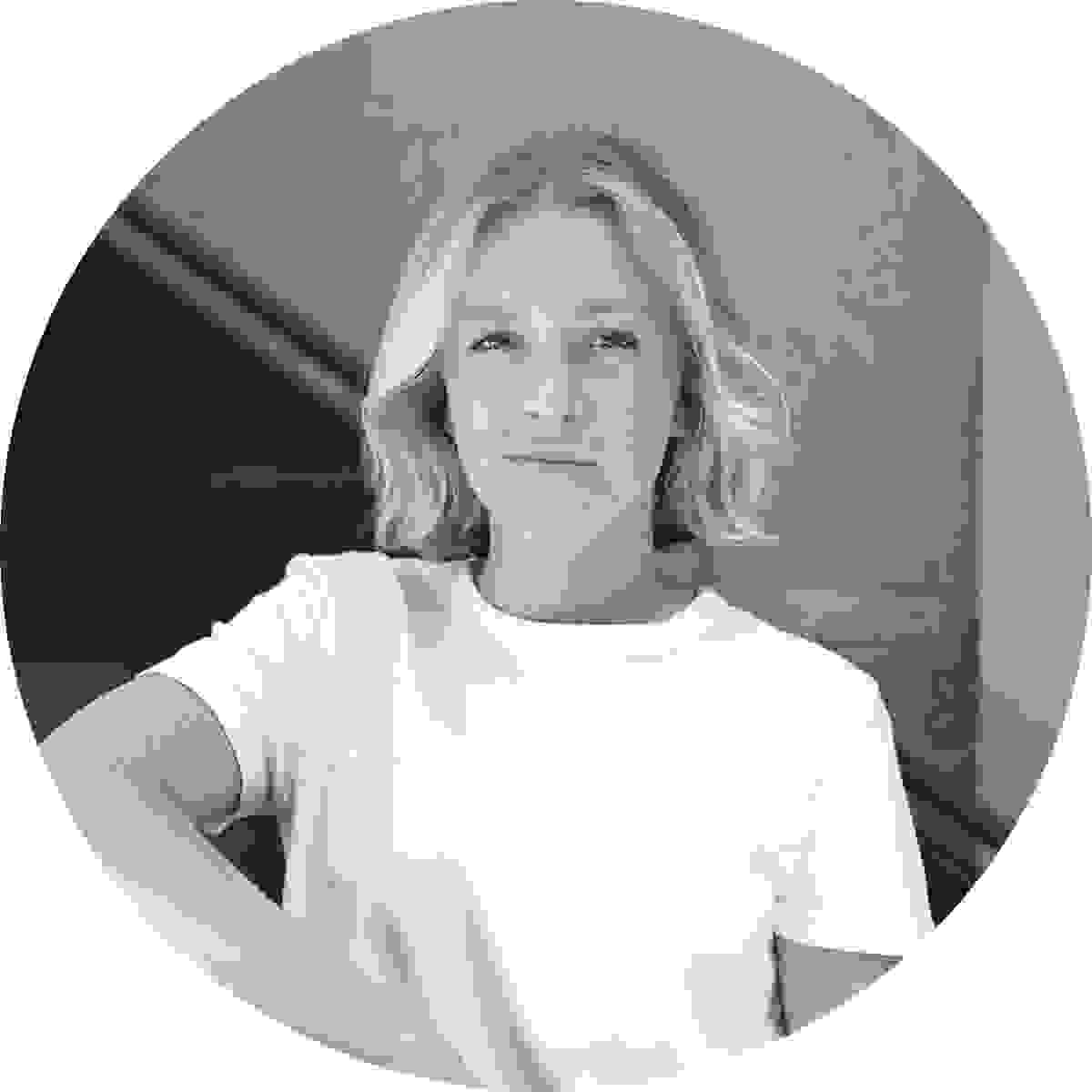
Co-founder of KindEarth.Tech and CellAg Netherlands. She's the daughter of Willem van Eelen, the godfather of cultured meat.
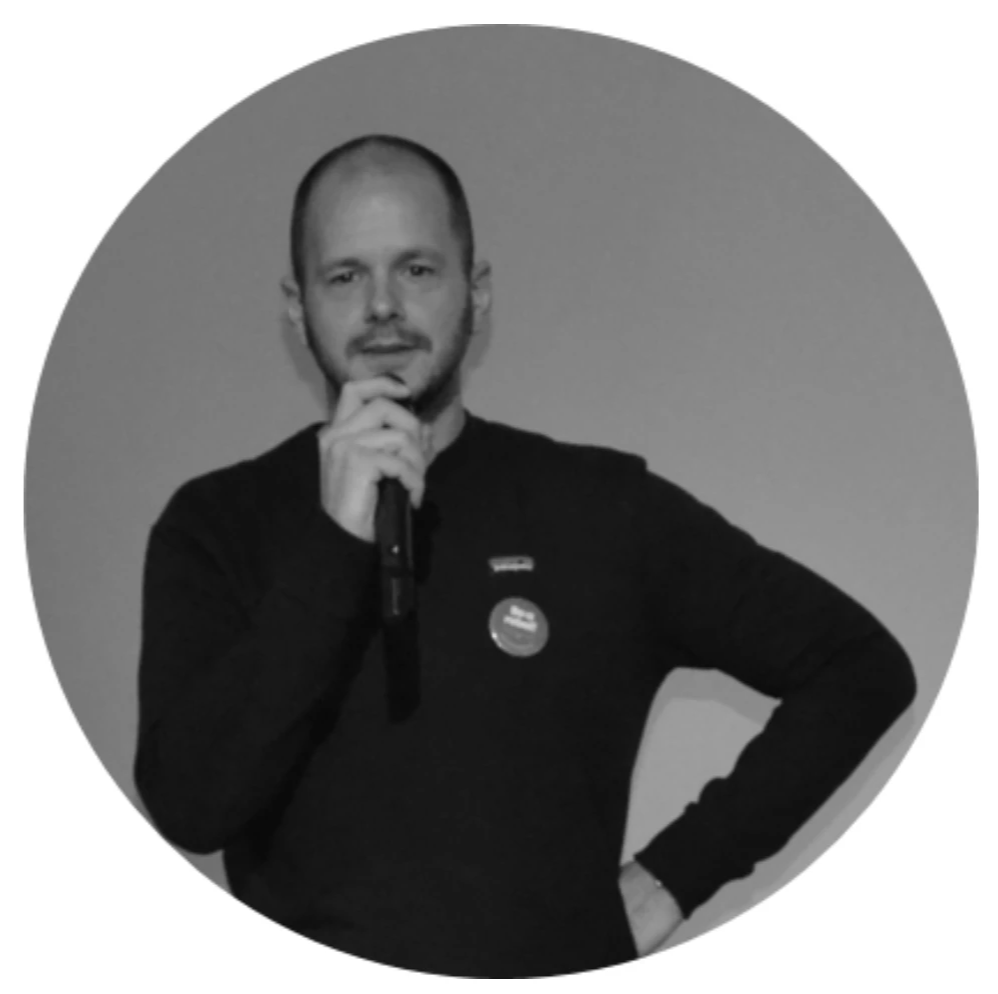
CO-FOUNDER & DIRECTOR
STRATEGY AND INNOVATION
Founding member at new feed and food task force at German Farmers Union DLG with a strong background in strategy and innovations.

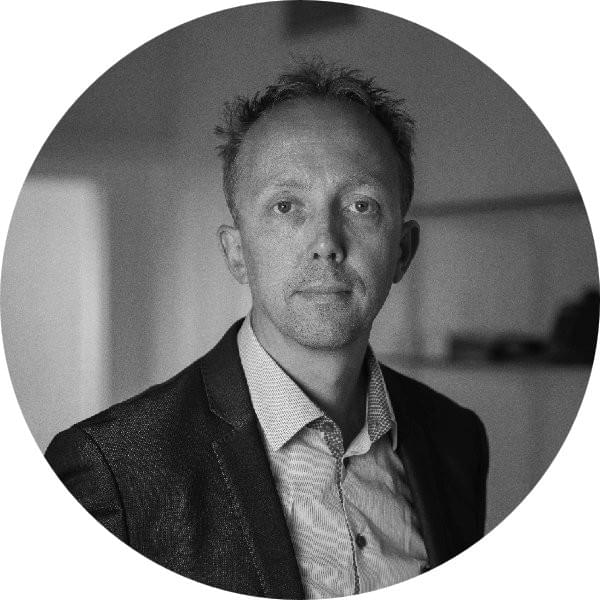
CO-FOUNDER & DIRECTOR
OPERATIONS AND FINANCE
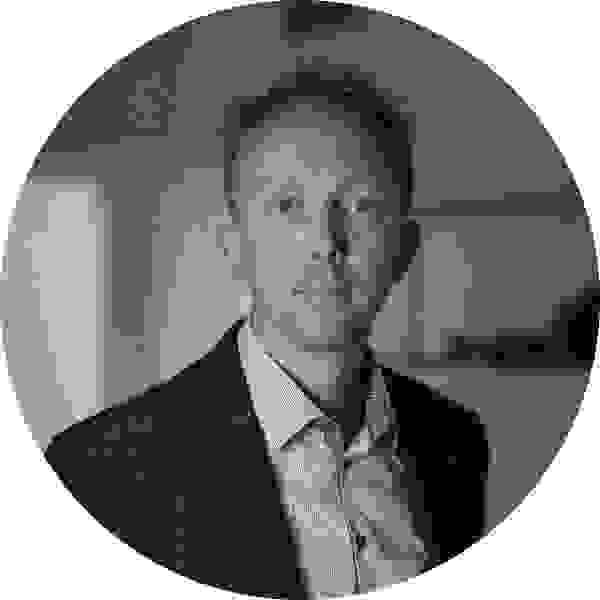
Business Designer & Tech Entrepreneur. He has a strong commercial background in technology & Business Model Innovation.

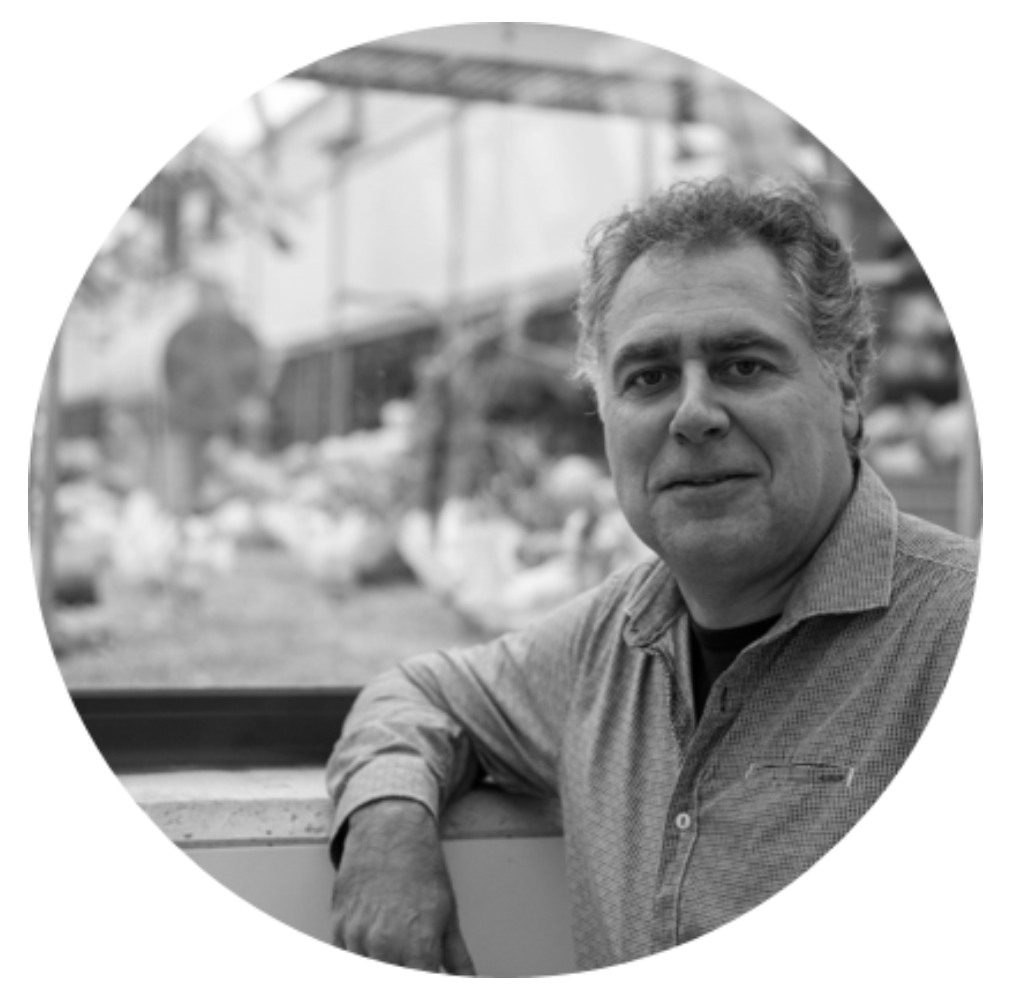
CO-FOUNDER
Co-founder & CEO Kipster
He's a pioneer in sustainable and animal friendlier farming.
HEAD OF R&D
Medical Biologist with 20+ years experience in biotech, with diverse leadership roles from startup phase to scaling up technology successfully.

SENIOR SCIENTIST
Senior Bioprocess Engineer with 40 years experience in bioreactor design and implementation in businesses.

PROJECT COORDINATOR
Niche food & beverage marketer and alternative proteins category builder. Project coordinator focusing on farmer engagement and product development.
RESEARCHER
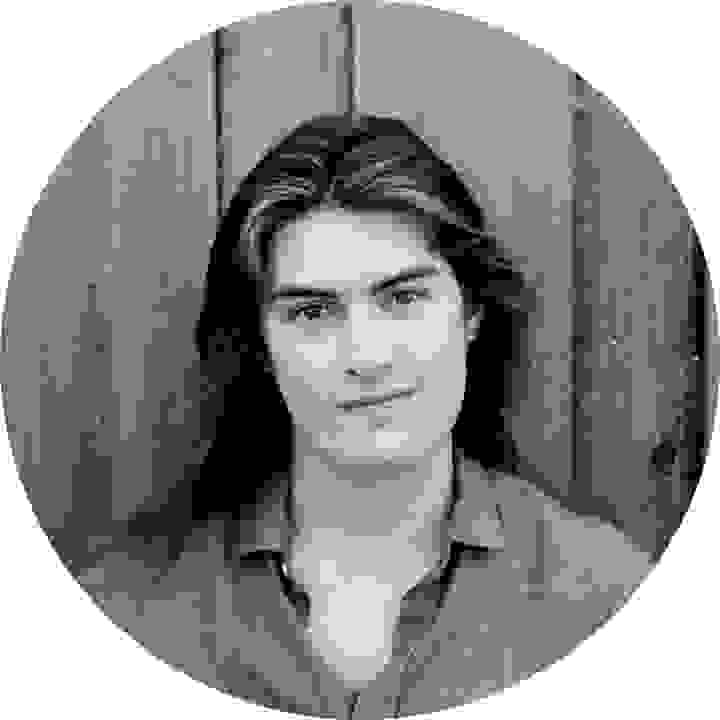
Biochemist with background in cellular agriculture, running experiments on the farm and conducting market research.

LEGAL COUNSEL
European private law counsel supporting on permits, regulatory and legal.
Our first cultivated meat farm
is supported by our consortium members
CRAFT (Cellular Revolution in Agricultureand Farming Technology) is a European consortium co-funded by EIT Food Impact Funding Framework Collaborative Programs and lead by RespectFarms. Its goal is to design, build, optimize, and commercialize the first cultivated meat farm in the world, empowering farmers to lead the next generation of meat production. Read more in our press release.
Other key partners
Check out more of our key partners, sponsors, and supporters
Beef farmer with the aim to transition to cultivated meat farming and working with us on ethical cell selection.
Financing and strategic partner.
Animal rights organization from Belgium and supporter on the ethical considerations for cultivated meat.
Partner in business model creation and financing the company.
Financing partner.
Financing partner.